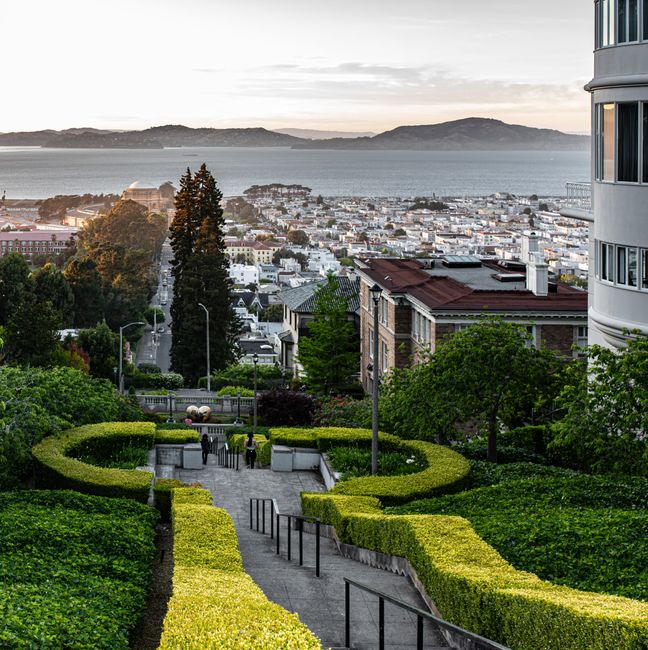
Telegraph Hill gardeners for steep slopes and terraces
If you live on Telegraph Hill, you already know the charm comes with a bit of drama. The views are lovely, the streets have character, and the gardens? Often they lean, drop, step and terrace in ways that make standard gardening advice fall apart fast. Telegraph Hill gardeners for steep slopes and terraces need to think differently: about drainage, access, soil movement, planting choices, and how to make a space feel calm rather than constantly at war with gravity.
This guide is for anyone trying to turn a difficult hillside plot into something safe, good-looking and actually manageable. Whether you have a narrow terraced garden, a sloping back garden, or a patchwork of retaining walls and planting pockets, the right approach can make a huge difference. And no, it does not have to look over-engineered. Done well, slope and terrace gardening can feel natural, layered and surprisingly easy to live with.
Below, you will find a practical breakdown of how these gardens work, the main benefits, the common mistakes to avoid, and the best ways to keep maintenance under control without spending every weekend wrestling with the site. Truth be told, this is one of those jobs where a little local know-how saves a lot of wasted effort later.
Table of Contents
- Why Telegraph Hill gardeners for steep slopes and terraces Matters
- How Telegraph Hill gardeners for steep slopes and terraces Works
- Key Benefits and Practical Advantages
- Who This Is For and When It Makes Sense
- Step-by-Step Guidance
- Expert Tips for Better Results
- Common Mistakes to Avoid
- Tools, Resources and Recommendations
- Law, Compliance, Standards, or Best Practice
- Options, Methods, or Comparison Table
- Case Study or Real-World Example
- Practical Checklist
- Conclusion
- Frequently Asked Questions
Why Telegraph Hill gardeners for steep slopes and terraces Matters
Sloping and terraced gardens are not just "harder versions" of ordinary gardens. They behave differently. Water runs faster, soil can shift, access is awkward, and planting areas may get uneven sun depending on the angle and nearby buildings. On Telegraph Hill, where properties often sit on changes in level, that can mean a garden that looks simple at first glance but turns out to be a bit of a puzzle once you actually step into it.
The right gardener understands that a slope is both a design feature and a practical challenge. They will notice where rainwater collects, where soil washes away after a heavy shower, and where a terrace creates a sheltered pocket that could become brilliant for plants. They will also know when a tidy fix is enough and when the site needs something structural, such as improved edging, better drainage, or a safer access route.
Why does this matter so much? Because the wrong approach can create ongoing problems. A steep bed planted with thirsty, shallow-rooted plants may struggle every summer. A terrace with poor drainage can become slippery or waterlogged. And a garden that is hard to reach will slowly become neglected, not because the owner is lazy, but because the layout makes maintenance feel like a chore before breakfast. We have all seen that story before.
For Telegraph Hill homes, this also matters from a value and liveability point of view. A slope that looks awkward can be transformed into something that feels deliberate, layered and well cared for. That adds day-to-day pleasure, which is the real win. Let's face it, a garden is meant to be enjoyed, not endured.
How Telegraph Hill gardeners for steep slopes and terraces Works
Working on steep slopes and terraces starts with reading the site properly. Before any planting or building begins, a good gardener will assess the gradient, soil condition, drainage path, sunlight, wind exposure and how people actually move through the space. That last point matters more than people think. A beautiful garden that is awkward to access gets used less. Simple as that.
On a slope, the gardener may break the area into smaller working zones rather than treating it as one big expanse. Terraces can be used to create level pockets for seating, planting or easier maintenance. Retaining edges, timber sleepers, stone borders or planted steps may help define each level. The exact method depends on the site, but the principle is consistent: reduce runoff, stabilise the ground, and create usable surfaces.
Drainage is usually part of the conversation early on. Water naturally wants to move downhill, which can be helpful until it starts carrying soil with it. In practical terms, that means checking for signs of erosion, muddy patches, runoff onto paths, or staining around walls. Sometimes the fix is subtle, like reshaping the soil profile. Other times it is more involved, such as adding discreet drainage channels or changing the planting strategy so roots hold the soil more effectively.
Plant selection is another key piece. Slopes usually suit plants that tolerate some dryness, have strong root systems, and can knit the soil together without constant fuss. Terraces, by contrast, can be tailored to different microclimates. A lower terrace may stay damp longer, while an upper one could bake in the afternoon sun. A thoughtful gardener uses those differences rather than fighting them.
The maintenance plan also changes. On level ground, you can sometimes get away with broad, sweeping tasks. On a steep garden, maintenance is usually more targeted: shorter sessions, regular checks after rain, and pruning or re-tying plants before they become top-heavy. It sounds a bit technical, but in practice it is about making the garden easier to live with, not harder.
Key Benefits and Practical Advantages
A well-managed sloped or terraced garden can do more than solve a problem. It can actually improve the whole feel of a property. Here are the main benefits people tend to notice.
- Better usability: Terraces turn awkward ground into usable zones for planting, sitting, play or storage.
- Improved safety: Slips, loose soil and unstable edges become less of an issue when the layout is properly thought through.
- Healthier planting conditions: Matching plants to the right level, sun exposure and moisture pattern gives better results.
- Reduced erosion: Ground cover, root systems and sensible edging help keep soil in place.
- Cleaner maintenance: A designed system is easier to keep neat than a garden that is simply left to cope.
- Stronger visual character: Multi-level gardens can look sophisticated, layered and much less flat or boxy.
One of the nicest things about this kind of work is how quickly the space can feel calmer. A chaotic slope, once organised, often feels bigger rather than smaller. You start noticing the edges, the viewpoints, the way a bench catches the evening light, the sound of rain running in a controlled line instead of scouring the soil. Small pleasures, but they add up.
There is also a practical comfort in knowing the garden will not surprise you after every downpour. That alone is worth something.
Who This Is For and When It Makes Sense
Telegraph Hill gardeners for steep slopes and terraces are a good fit if you are dealing with one or more of these situations:
- your garden is difficult to mow, weed or water because of the incline
- soil keeps slipping or washing downhill after rain
- you have retaining walls, steps or terraces that need careful planting around them
- the garden feels underused because it is awkward to access
- you want more structure, privacy or visual interest on different levels
- plants are failing because the site is too exposed, too dry, or too wet in patches
This service makes sense for homeowners, landlords, and anyone preparing a property for sale who wants the outside space to feel intentional rather than precarious. It is also useful if you are planning a redesign and need a realistic starting point before spending money on new features. To be fair, many people try to solve a slope with a few plants and a bit of hope. That sometimes works for a month or two. Then the rain arrives. And London weather, as we know, has opinions.
If your garden has a complex mix of levels, wall edges and small planting pockets, specialist help is especially valuable. A general tidy-up may improve the appearance, but it will not always address the site's underlying behaviour. A knowledgeable gardener looks beneath the surface, quite literally, and thinks about the long game.
Step-by-Step Guidance
Here is the practical approach that tends to work best for steep and terraced gardens.
1. Start with a site assessment
Look at the garden after rain if you can. Notice where the water runs, where it pools, and which areas dry out first. Check whether the slope is gentle, moderate or very steep. Measure the usable width of terraces and paths. A rough sketch is enough to begin with. You do not need a surveyor's drawing for every decision, though for more structural work, proper measurements help a lot.
2. Decide what the garden must do
Do you want more planting, somewhere to sit, a better route between levels, or lower maintenance? This sounds obvious, but people often skip it. The result is a garden that looks improved yet still does not fit the way they live. A family with children, for instance, may need safer movement and sturdy planting. Someone else may want a lush, private retreat with plenty of layered texture. Different brief, different solution.
3. Stabilise the ground before beautifying it
Soil movement is the enemy of a tidy slope. Ground cover, terracing, edging and root systems all help to hold things together. In some gardens, simple adjustments are enough. In others, the structure of the site needs more attention first. If a terrace edge is failing, do not pretend plants will magically fix it. They will not. Plants are helpful, not magical little engineers.
4. Improve access
Safe access changes everything. Steps should be comfortable to use, paths should have sensible traction, and the route between levels should feel obvious. A garden you can move through easily gets looked after more consistently. This is one of those dull-sounding details that makes all the difference in real life.
5. Choose plants for the exact conditions
Think in terms of exposure, moisture and root strength rather than just appearance. A sunny upper terrace may suit drought-tolerant perennials, grasses or small shrubs. A lower, more sheltered section may handle moisture-loving plants better. Ground-covering plants can be useful on slopes because they reduce exposed soil and give the whole area a more settled feel.
6. Plan maintenance in short, regular cycles
Steep and terraced gardens usually respond better to little-and-often care than big, occasional interventions. After windy weather or heavy rain, a quick check can prevent minor issues from becoming expensive ones. It is a bit like brushing your teeth: not glamorous, but very effective.
Expert Tips for Better Results
The following tips come up again and again in successful slope and terrace projects.
- Use layered planting: Put lower, spreading plants near edges and taller structural plants higher up where they will not block movement.
- Think in bands: Repeating a plant palette across different levels helps the garden feel connected rather than chopped up.
- Keep hard edges simple: Busy, over-complicated borders can make a steep garden feel smaller and more cluttered.
- Watch the water path: Every slope tells you where water wants to go. Work with that, not against it.
- Leave room for maintenance: A border that looks perfect but cannot be reached is a future headache.
- Choose materials with grip: On terraces and steps, surfaces should feel secure underfoot even when damp.
A smaller but useful tip: avoid loading the top of a slope with too many heavy features. Even if the design seems balanced on paper, the site can start feeling top-heavy in reality. Better to keep the upper zones lighter and let the lower levels carry more of the visual mass.
Also, if a terrace wall is already doing a lot of work, do not bury it in dense planting without checking access and airflow. A wall needs room to breathe. Odd phrase, perhaps, but true.
Common Mistakes to Avoid
Most problems in sloping gardens are not dramatic failures. They are slow, avoidable issues that build up over time.
- Ignoring drainage: If water has nowhere sensible to go, it will make one up.
- Using the wrong plants: Soft-rooted, high-maintenance plants can struggle on exposed banks.
- Overcomplicating the design: Too many tiny features can make the space hard to read and harder to care for.
- Forgetting access: Beautiful planting is less useful if nobody wants to go up and down the garden to water it.
- Letting edges fail slowly: Small signs of movement around walls or terraces should be checked early.
- Creating hidden dead zones: Narrow corners behind steps or walls can become neglected unless they are deliberately planned.
The most common mistake, frankly, is designing for photographs instead of weather and weekly use. A garden can look lovely on the day it is finished and still be wrong for the site. The goal is not perfection. The goal is resilience with a bit of beauty thrown in.
Tools, Resources and Recommendations
You do not need a van full of specialist kit to manage a sloped or terraced garden, but a few practical tools make life easier.
- Sturdy hand tools: Good-quality trowels, forks and secateurs matter more than fancy extras.
- Long-handled tools: They reduce bending and make awkward areas more manageable.
- Wheelbarrow or garden trolley: Useful for moving soil, mulch, cuttings and stones on awkward ground.
- Mulch: Helps protect exposed soil from drying out and erosion.
- Soil improvers: Can help where terrace beds are thin, compacted or poor in nutrients.
- Gripping footwear: Not glamorous, but on a wet slope it is the difference between confidence and caution.
If you are planning a larger project, it is worth speaking with a gardener who has real experience with hillside plots rather than general flat-garden maintenance. A small number of internal site-specific decisions can save a lot of rework later. If you need wider garden support beyond a steep slope, you may also want to explore garden maintenance services for ongoing care or landscaping support when the layout itself needs more than routine upkeep.
For properties that need broader seasonal upkeep, a service such as professional garden care can be a sensible starting point, especially if you are balancing planting, pruning and access issues across more than one level.
Law, Compliance, Standards, or Best Practice
For most planting and maintenance work on a private garden, the main issues are practical best practice rather than complex regulation. That said, Telegraph Hill homes sometimes involve retaining walls, boundary structures, steps, shared access or work close to neighbouring properties, so caution matters.
If a project involves structural retaining walls, significant changes in level, or work that could affect a boundary or shared drainage route, it is wise to get proper advice before starting. The exact requirements can vary depending on the scope of work and the property arrangement. No one wants a lovely terrace becoming a neighbourly debate, and that can happen more easily than people expect.
Best practice usually includes:
- checking the stability of existing walls and steps before loading them with soil or planting
- making sure surfaces used for access are safe and well maintained
- keeping drainage routes clear so water does not overwhelm a terrace
- avoiding work that blocks light, access or runoff in ways that may affect adjacent properties
- using materials appropriate for outdoor use on damp, exposed ground
If you are unsure whether a feature is purely decorative or structural, treat it as structural until a qualified professional says otherwise. That is not being overcautious; that is being sensible.
Options, Methods, or Comparison Table
There is no single right way to garden a steep slope or terraced site. The best method depends on budget, access, the style of the property and how much maintenance you are willing to do.
| Method | Best for | Strengths | Trade-offs |
|---|---|---|---|
| Ground-cover planting | Soil stabilisation and low maintenance | Helps reduce erosion, softens the look of slopes | Can take time to establish |
| Terracing and level beds | Usability and easier access | Makes planting and maintenance much simpler | May need more planning and construction |
| Retaining edges and raised borders | Defined planting pockets and structure | Good for shaping awkward areas | Must be built and checked carefully |
| Mixed planting with steps and paths | Character and movement through the garden | Creates a layered, interesting layout | Needs thoughtful circulation planning |
In many Telegraph Hill gardens, a mixed approach works best. For example, a lower terrace might be used for seating and herbs, while the slope above is softened with shrubs, grasses and ground cover. That gives the garden rhythm. It also gives you somewhere to stand without feeling like you are standing in the middle of a design compromise.
Case Study or Real-World Example
Imagine a typical Telegraph Hill back garden: narrow, sloping away from the house, with a small paved terrace near the door and a rougher lower section that tends to go muddy after rain. The owner wants more planting, a place to sit in the evening, and less time spent dragging compost uphill.
A sensible redesign might begin by dividing the garden into three zones. The top terrace becomes a clean, level seating area with containers and a couple of compact shrubs. The middle slope is planted with hardy perennials and spreading ground cover to reduce bare soil. The lower section gets a small step-down path and a few moisture-tolerant plants near the dampest edge. The result is not flashy, but it works. More importantly, it gets used.
That kind of project often feels better after the first wet week. The path still works. The soil still stays where it should. The garden stops feeling like something you have to negotiate and starts feeling like part of the home. A small shift, maybe, but a real one.
Practical Checklist
Use this checklist before starting work on a steep or terraced Telegraph Hill garden.
- Assess the gradient and note any unstable areas
- Check how water moves after rain
- Identify sunny, shady, dry and damp zones
- Decide what the garden needs most: access, planting, structure or maintenance support
- Inspect steps, edges and terraces for wear or movement
- Choose plants suited to the exact conditions, not just the look you want
- Keep routes clear so maintenance stays easy
- Use ground cover or mulch to protect exposed soil
- Make sure any hard surfaces have grip and feel safe when damp
- Review the garden seasonally and make small adjustments early
Expert summary: The best steep-slope and terrace gardens are not the ones that look most dramatic on day one. They are the ones that drain properly, hold together well, and feel easy enough to live with in real weather, real shoes, and real life.
Conclusion
Telegraph Hill gardens have a lot of character, but steep slopes and terraces need a careful hand. The right approach balances structure, planting, drainage and access so the garden becomes easier to enjoy rather than harder to manage. That is the real goal: a space that looks good, behaves well and still feels like somewhere you want to spend time.
If you are planning work on a sloped or terraced garden, start with the site's behaviour, not just the wish list. Once you understand how water, soil and movement interact, the right decisions tend to become much clearer. And if you want the end result to last, that first bit of thinking is worth its weight in mulch.
Get a free quote today and see how much you can save.
With a thoughtful plan, even the trickiest patch of ground can become one of the best parts of the property. Funny how that happens.
Frequently Asked Questions
What makes Telegraph Hill gardens difficult to maintain?
The main challenge is the combination of slopes, terraces, drainage movement and limited access. Soil can shift, water can run off quickly, and some areas are harder to reach for pruning or watering.
Do steep gardens always need terracing?
Not always. Some slopes are better managed with planting, ground cover and discreet shaping. Terracing is useful when you need level surfaces, better access or stronger control over runoff.
What plants work best on steep slopes?
Plants with strong roots, good ground coverage and tolerance for the site's sun and moisture conditions usually perform best. The exact choice depends on whether the slope is exposed, sheltered, dry or damp.
How do you stop soil from washing away?
Use a mix of ground-cover planting, mulching, edging and, where needed, terracing or retaining features. The key is to slow water down and keep soil anchored.
Are terraces easier to look after than slopes?
Usually yes. Terraces create level work areas, which makes planting, watering and maintenance simpler. They also reduce the physical strain of caring for the garden.
Can a steep garden still be low maintenance?
Yes, if it is designed with the right planting, access and drainage. Low maintenance does not mean no maintenance, though. It means the garden is set up to be manageable.
How often should a sloped garden be checked?
After heavy rain or windy weather is a good habit. Small issues like loose soil, blocked drainage or leaning plants are easier to deal with early.
What is the biggest mistake people make with terraced gardens?
They often focus on appearance first and practicality second. A terraced garden needs safe access, sensible drainage and plants that suit each level.
Do I need special permission to change a terrace or retaining wall?
It depends on the scale of the work and whether the structure affects boundaries, drainage or nearby properties. For anything substantial, it is wise to get professional advice before starting.
How can I make a steep garden feel bigger?
Use layered planting, clear routes and a simple palette across levels. A tidy visual rhythm often makes a sloped garden feel more spacious, not less.
Is it worth hiring a specialist gardener for a hillside plot?
If the site has serious drainage, access or structural challenges, yes, it can save time and reduce costly mistakes. Even a small redesign can improve how the whole garden works.
What should I ask before hiring Telegraph Hill gardeners for steep slopes and terraces?
Ask about their experience with sloped sites, their approach to drainage, the maintenance requirements of their planting choices, and whether they will assess access and safety as part of the plan.