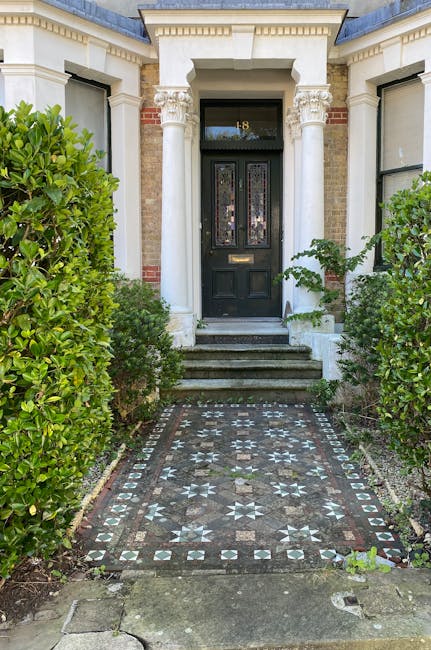
New Cross Gate station gardeners for small front gardens

If you live near New Cross Gate station, chances are your front garden has to work hard in a very small space. It needs to look neat from the pavement, cope with shade, clutter, footsteps, bikes, bins, and the odd forgotten post. That is exactly where New Cross Gate station gardeners for small front gardens come in: practical help for making a compact entrance feel tidy, welcoming, and easier to maintain without turning it into a weekly chore.
In this guide, we will look at what this kind of gardening service involves, how it works, who it suits, and what to expect if you are trying to improve a small front garden near the station. We will also cover common mistakes, useful tools, local best practice, and a simple checklist you can actually use. No fluff. Just the stuff that helps.
- Why it matters
- How it works
- Key benefits
- Who it is for
- Step-by-step guidance
- Expert tips
- Common mistakes to avoid
- Tools, resources and recommendations
- Law, compliance, standards, or best practice
- Options, methods, or comparison table
- Case study or real-world example
- Practical checklist
- Conclusion
- Frequently asked questions
Why New Cross Gate station gardeners for small front gardens Matters
A small front garden can feel deceptively simple. It is only a few square metres, so surely it should be easy to keep under control? In reality, compact spaces often need more judgement, not less. Every plant choice matters. Every edge shows. A single overgrown shrub can make the whole frontage feel cramped and a bit neglected. Around New Cross Gate, where homes sit close to the street and space is at a premium, that first impression counts.
Good front garden work is not just about appearances, either. It is about making the space functional. A tidy path reduces trip hazards. A sensible planting plan means you are not forever pruning back branches that block the doorway. Thoughtful soil and container choices can help in tricky spots where shade, pollution, or hard paving make planting harder than it looks. Truth be told, the best small-garden work often looks effortless because someone has done the thinking properly.
That is the real value of using gardeners who understand small front gardens in this area: they know how to balance neatness, low maintenance, and curb appeal without trying to cram in too much. And yes, that restraint is a skill.
Expert summary: The best small front gardens near New Cross Gate are usually not the busiest ones. They are the ones that feel calm, clear, and easy to care for, with planting scaled to the space rather than fighting against it.
How New Cross Gate station gardeners for small front gardens Works
The process usually starts with a short look at what you already have. That might be a narrow strip beside the path, a tiny paved forecourt, or a slightly awkward mix of soil, containers, and hedge growth. From there, a gardener will normally assess light levels, drainage, foot traffic, and how much time you want to spend maintaining the space after the work is done.
In practical terms, the work often falls into one or more of these areas:
- Clear-up and reset - removing weeds, leaf build-up, dead growth, and messy edges.
- Shape and structure - trimming shrubs, tidying borders, and defining paths or entrances.
- Planting improvements - choosing compact, durable plants that suit a front-facing spot.
- Soil and container care - refreshing compost, improving drainage, or swapping tired pots.
- Maintenance planning - setting a routine that keeps the garden looking good without constant effort.
For many homes, the best result is not a complete redesign. It is a smart tidy-up followed by a few targeted changes. A well-placed evergreen, a smaller flowering plant, and a cleaner edge can change the feel of the whole entrance. Small garden, big difference. That sounds a bit neat, but it is true.
If you are comparing wider outdoor services too, it can help to understand how a front garden project fits within broader work such as garden maintenance or, where a bigger change is needed, landscape gardening. Not every job needs both, of course, but they solve different problems.
Key Benefits and Practical Advantages
Small front gardens can deliver outsized value when they are looked after properly. A good gardener does not just make them look nicer for a day. The point is to make them easier to live with.
- Better first impressions - a tidy frontage makes the whole home feel cared for.
- Less maintenance stress - the right planting scheme means less trimming, less guessing, fewer weekend battles with weeds.
- Improved safety - clear paths, cut-back growth, and level edges reduce everyday niggles.
- Better use of limited space - even a tiny area can become attractive and purposeful.
- More seasonal interest - small gardens benefit from planting that changes through the year, not just one static look.
- Cleaner, calmer entrance - which, let's face it, makes coming home feel better.
There is also a practical money angle, even if nobody likes talking about it too bluntly. A front garden that is manageable is easier to keep in decent condition, which can reduce the need for repeated rescue jobs. The trick is to invest in the right interventions early, rather than letting a small space become a bigger job than it needs to be.
Who This Is For and When It Makes Sense
This service makes most sense if your front garden is small, visible, and awkwardly easy to neglect. That covers quite a few homes near station routes and busier streets, where people are coming and going, and the front of the property takes more wear than the back. It is especially useful if you want the place to look tidy from the street but do not have time to keep fiddling with it every week.
You may benefit from this kind of support if you are:
- a homeowner with a compact front garden that feels overgrown or bare
- a landlord preparing a property for viewings or new tenants
- a busy household that wants low-maintenance curb appeal
- an older resident who would rather not do repetitive bending, pruning, or weeding
- someone who has tried a few plants already and now wants a more sensible plan
It also makes sense if the space is a bit of a mystery. Some gardens are not obviously "bad"; they are just untuned. A few mismatched plants, a tired hedge, and a patch of stubborn weeds can make a space look less cared for than it really is. That is often the sweet spot for a professional tidy-up.
On the other hand, if your front area is structurally damaged, badly drained, or mostly paved with no planting at all, you may need a broader approach first. In that case, a service like garden clearance can be a sensible starting point before any finer design work begins.
Step-by-Step Guidance
Here is a practical way to approach a small front garden near New Cross Gate without overcomplicating it.
- Walk the space slowly
Look at it from the pavement, from the front door, and from inside the house. What do you actually notice first? Overgrowth, bare soil, dead pots, poor light, a cramped path? That first impression tells you where to start. - Decide the main purpose
Do you want more curb appeal, lower maintenance, better privacy, or a cleaner entrance? Try not to ask the garden to do everything at once. That is where small spaces get messy. - Remove the obvious clutter
Pull weeds, clear fallen leaves, remove broken pots, and cut back anything blocking the door or path. A reset often changes the whole feel straight away. - Assess what is worth keeping
Some plants only look bad because they are in the wrong place. Others are genuinely tired or overgrown. Keep the healthy, useful structure and cut the rest. - Choose compact, resilient planting
For a front garden, favour plants that stay neat, cope with London conditions, and do not explode in size after one decent rain shower. Evergreen structure and a few seasonal accents often work better than a crowded mix. - Sort paths, edges, and access
Even the prettiest planting fails if people have to squeeze past it. Keep entrances clear, define the boundary, and make sure watering or pruning is still possible later. - Set a maintenance rhythm
Small front gardens look best when they are touched regularly, not occasionally battered into shape. A short monthly routine is often enough once the basics are right.
The nice thing about this approach is that it does not demand perfection. You can improve a small garden in stages. A tidy-up this week, planting next month, and a better maintenance plan after that. No drama.
Expert Tips for Better Results
Small front gardens reward restraint. That is the first thing to remember. The second is that scale matters more than novelty. A dramatic plant that looks great in a large back garden can feel ridiculous in a tiny entrance space. A bit rude, but there it is.
- Use repetition - repeating one or two plants can look calmer than using lots of different ones.
- Prioritise evergreen structure - this stops the garden looking empty in winter, which is when many front gardens lose their shape.
- Leave breathing room - small gardens need space more than they need volume.
- Think in layers - low ground cover, mid-height planting, and one strong focal point often work well.
- Keep maintenance realistic - if you do not enjoy pruning, do not choose a hedge or shrub that needs constant shaping.
- Watch drainage after rain - a quick look after a wet spell can tell you whether water is pooling or moving away properly.
If your front garden faces a shaded street or a north-facing wall, choose plants that tolerate lower light rather than forcing sun lovers into a difficult spot. In our experience, that one decision saves a lot of disappointment later. You will notice the difference quite quickly, especially after the first proper growing season.
And a small one, but useful: use pots only where they genuinely help. Containers are handy in tiny spaces, but too many of them turn into clutter fast. Too many pots and suddenly the path feels like a course obstacle. Nobody wants that.
Common Mistakes to Avoid
Small front gardens tend to go wrong in predictable ways. The good news is that most of them are easy to avoid once you know what to watch for.
- Overplanting - cramming in too many plants makes the space look smaller and harder to maintain.
- Ignoring mature size - a plant that is tiny in the shop may become far too large for the space.
- Choosing high-maintenance features - if you want low effort, avoid designs that demand frequent reworking.
- Letting the path disappear - access matters, especially in front gardens used every day.
- Using containers as a shortcut - pots help, but they are not a substitute for a proper plan.
- Forgetting visibility from the street - the garden has to work from outside as well as from inside.
One of the biggest mistakes is treating the space like a leftover strip rather than part of the home. Front gardens set the tone. They are not just decorative. If they are messy, the whole place feels a bit less settled. If they are balanced and well looked after, the house feels calmer before you even step through the door.
Also, try not to make every decision in one go. People often buy plants in a rush, then realise later that none of them share the same needs. Happens all the time. A slower, more deliberate plan usually wins.
Tools, Resources and Recommendations
You do not need a huge toolkit to keep a small front garden in decent shape. The right basics go a long way, especially if the garden is compact and you are trying to keep the process simple.
| Tool or resource | Best use | Why it helps in small front gardens |
|---|---|---|
| Hand fork and trowel | Planting, weeding, light soil work | Useful where full-size tools feel clumsy |
| Secateurs | Pruning small shrubs and trimming growth | Gives cleaner cuts and more control in tight spaces |
| Hose, watering can, or compact watering system | Watering plants and containers | Essential for new planting and dry spells |
| Mulch or compost | Moisture retention and soil improvement | Reduces weeds and supports healthier planting |
| Measuring tape | Checking spacing and clearances | Prevents overcrowding, which is the classic small-garden trap |
| service overview | Comparing possible garden work | Helps you match the service to the size and condition of the space |
For upkeep, it helps to think in small, repeatable jobs rather than grand projects. A quick weekly check for weeds, a light monthly trim, and seasonal refreshes are usually enough for many compact front gardens. If the work feels more than you want to manage, booking regular professional support can be simpler than trying to catch up later.
If sustainability matters to you, recycling green waste and choosing durable planting can make a real difference. You can also ask about recycling and sustainability if you want a lower-waste approach. Not flashy, perhaps, but sensible.
Law, Compliance, Standards, or Best Practice
For a small front garden, most of the practical guidance is about good housekeeping rather than complex regulation. Still, there are a few sensible points to keep in mind. Front gardens should not create hazards for pedestrians, neighbours, or visitors. That means keeping paths clear, avoiding trip risks, and making sure plants do not obstruct access or spill into shared walkways.
If the work involves ladders, powered tools, or larger vegetation, safe working practices matter. Reputable gardeners should operate with proper care around tools, working heights, and waste handling. It is fair to ask whether they follow basic health and safety procedures and carry appropriate cover. If you want to know more about that side of things, a good place to look is health and safety policy and insurance and safety.
For homeowners, the best practice is simple: keep access clear, do not block visibility at the entrance, and choose garden features that can be maintained safely over time. If you share a boundary or front path, be considerate with anything that spreads, overhangs, or drops debris. A little common sense goes a long way here.
You may also want to understand how a provider handles disputes, if any arise, and how they manage customer information and payments. That is not the exciting part, granted, but it is part of choosing a service you can trust. The details matter more than people think.
Options, Methods, or Comparison Table
There is more than one way to improve a small front garden. The right method depends on how much time, upkeep, and change you want. Here is a straightforward comparison.
| Approach | Best for | Pros | Trade-offs |
|---|---|---|---|
| Tidy-up and maintenance | Gardens that are basically fine but messy | Quick, affordable in spirit, keeps things under control | Does not solve deeper design issues |
| Planting refresh | Spaces that need better structure or seasonal colour | Improves appearance without major disruption | Needs careful plant selection |
| Full redesign | Very awkward, tired, or neglected front gardens | Can transform the whole frontage | Takes more planning, time, and budget |
| Regular professional maintenance | Busy households or landlords | Consistent standards, less stress | Ongoing service rather than one-off fix |
There is no single best option for everyone. A lot depends on the state of the garden and how much you want to be involved. If you are unsure, start with a tidy-up and review. That small step often shows you what the space really needs next.
Case Study or Real-World Example
A typical local-style example goes like this. A homeowner near the station has a narrow front garden with tired shrubs, patchy weeds, and a path that felt tighter every month. Nothing dramatic. Just enough mess to make the entrance look dull. The owner did not want a full redesign, only something neater and easier to live with.
The solution was simple: clear the dead growth, reduce the size of one oversized shrub, improve the edging, and add a few compact plants that would stay in proportion to the space. The gardener also suggested a small layer of mulch to keep weeds down and improve the finish. Nothing flashy. But once the job was done, the front of the house felt lighter and more inviting.
What made the difference? Mostly restraint. The gardener did not try to fill every gap. They left enough room for the plants to grow properly, which sounds obvious, but people often skip that part when they are eager for an instant result. The garden looked better immediately and still looked manageable weeks later. That is the real win.
In a small front garden, the best outcome is often quiet rather than dramatic. You walk up to the door and think, yes, that feels sorted. No fuss. Just nice.
Practical Checklist
Use this checklist before or after arranging work for a small front garden near New Cross Gate.
- Check how the garden looks from the street and from the front door.
- Identify what needs removing, trimming, replacing, or keeping.
- Measure the usable space, including paths and access points.
- Note whether the area is sunny, shaded, or mixed light.
- Think about how much maintenance you realistically want.
- Choose plants that suit the space, not just the look you have in mind.
- Keep entrances, bins, and paths clear.
- Ask how waste will be handled and whether materials can be reused or recycled.
- Confirm that the work plan matches your budget and timescale.
- Set a follow-up routine so the garden does not slide back into clutter.
If you tick most of those boxes, you are already in a strong position. Small gardens do not need heroics. They need attention, a bit of judgement, and a plan that makes sense.
Get a free quote today and see how much you can save.
Conclusion
Small front gardens near New Cross Gate can be surprisingly impactful when they are handled well. They frame the home, shape the first impression, and affect how easy the place feels to live with every day. The good news is that you do not need a huge garden or a huge budget to make a noticeable improvement. You need clarity, proportion, and the right kind of maintenance.
Whether your space needs a quick reset, a better planting plan, or ongoing care, the smartest approach is usually the simplest one: keep it tidy, keep it proportionate, and avoid overcomplicating the job. That is where experienced local gardeners can really help, especially when the space is small and every choice matters.
If you want a front garden that feels calmer, easier, and just a bit more welcoming every time you come home, this is a very good place to start. Small space. Proper care. Nice result.
Frequently Asked Questions
What do New Cross Gate station gardeners for small front gardens usually do?
They typically tidy, shape, plant, and maintain compact front spaces so they look neat and stay manageable. That can include weeding, pruning, edging, planting, and general seasonal care.
Is a small front garden worth improving if it is only a tiny space?
Yes. Small front gardens make a bigger visual difference than most people expect because they sit right at the entrance. A tidy, well-planned space can improve the look and feel of the whole property.
How often should a small front garden be maintained?
It depends on planting and exposure, but many small front gardens benefit from light attention every few weeks, plus seasonal work. If you keep on top of it, the job stays simple.
What plants work best in a compact front garden near New Cross Gate?
Usually compact, resilient plants that stay in proportion and cope well with local conditions. Evergreen structure plus a few seasonal plants often works better than a crowded mix of high-maintenance choices.
Can a small front garden be low maintenance and still look good?
Absolutely. In fact, that is often the goal. The trick is choosing the right plants, keeping the layout simple, and avoiding features that need constant fussing over.
Do I need a full redesign, or just a tidy-up?
If the space is mostly healthy but untidy, a tidy-up may be enough. If the planting is crowded, tired, or badly arranged, a redesign or planting refresh may give better long-term results.
What are the biggest mistakes people make with small front gardens?
Overplanting, choosing plants that grow too large, blocking the path, and relying on too many pots are common ones. Small spaces need discipline more than volume.
Will gardening work make a mess on the day?
There is usually some disruption, but a tidy professional approach should keep it controlled. Waste can be bagged and removed, and the space should be left in a usable condition once the work is done.
Are there any safety or compliance issues to think about?
Keep paths clear, avoid creating trip hazards, and make sure any work using tools or ladders is handled safely. It is also sensible to ask about insurance and working practices before booking.
How do I choose between regular maintenance and one-off gardening help?
If you want long-term consistency and no build-up of weeds or overgrowth, regular maintenance is often better. If the garden just needs a reset, a one-off visit may be enough to get things back under control.
Can front garden work improve privacy as well as appearance?
Yes, if the planting is chosen carefully. A compact hedge, taller pot plants, or layered planting can help soften views from the street without making the area feel closed in.
What should I ask before hiring a gardener for a small front garden?
Ask what is included, how waste will be handled, what plants or materials are recommended, and whether they understand low-maintenance front garden design. A clear conversation at the start saves confusion later.